
Objectives
In collaboration with the founder of Dulang Elektronik, this workshop aims to deepen the understanding of circular economy practices in Indonesia, with a particular focus on the electronics sector.
Background
The circular economy is an economic model that adopts a systemic approach to minimizing resource use, designing products for extended utility, and reintegrating waste from production and consumption processes back into the value chain. In Indonesia, the circular economy has been integrated into national development planning documents. The Rencana Pembangunan Jangka Panjang Nasional (RPJPN) 2025–2045 identifies the circular economy as one of the key strategies to achieve a Green Economy.
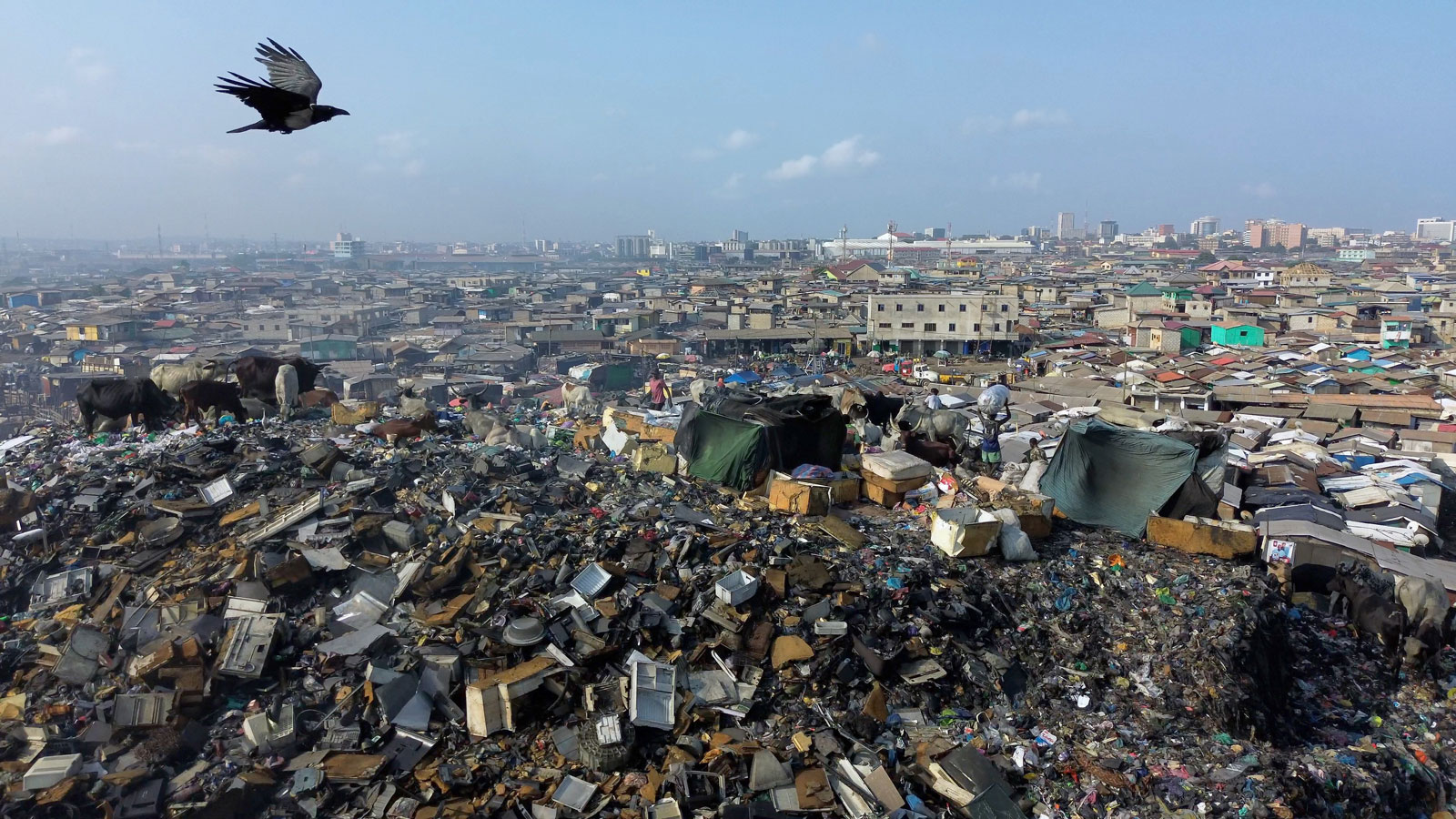
The electronics sector is among the five priority sectors and supporting ecosystem pillars identified for circular economy implementation, recognizing that electronic devices have become essential to daily life. According to Statistics Indonesia (BPS, 2022), approximately 67.88% of Indonesian households have access to electronic technologies and devices. However, the use of these devices tends to be short-lived, driven by the constant release of new models that encourage consumers to upgrade frequently. This, coupled with limited durability and the lack of proper e-waste management systems, contributes to a growing environmental challenge. The Ministry of Environment and Forestry (KLHK) reported in 2021 that only 17.4% of the approximately 2 million tons of electronic waste (e-waste) produced in Indonesia is properly managed. The remainder accumulates in households or is disposed of in landfills without further treatment.
This workshop aims to raise awareness of the e-waste challenge, introduce global best practices in circular economy implementation, explore the climate implications of e-waste, and discuss structural barriers to effective mitigation.
Dulang Elektronik
The workshop will also feature insights from Dulang Elektronik, an initiative focusing on electronic lifecycle management, particularly efforts to maximize the value and lifespan of electronic devices. This includes repair, refurbishment, and resale practices aimed at reducing electronic waste. Dulang applies elements of the 9R circular economy framework—particularly Rethink (R1), Reduce (R2), and Recycle (R8)—with a business-to-business (B2B) model. The organization has successfully handled various repair, resale, and refurbishment projects for products such as laptops, mobile phones, smartwatches, audio appliances, and other used electronics. Moving forward, Dulang aims to further expand its impact within Indonesia’s circular economy ecosystem.
Workshop Highlight:
As part of the workshop, we will set up a pop-up booth featuring a collection box for participants to drop off their used electronics. We accept only small to medium-sized consumer electronics such as smartphones, laptops, tablets, and gaming consoles. However, due to the diversity of potential items and regulatory limitations on e-waste collection, the following items will not be accepted:
- E-waste, including cables, dismantled electronics, and batteries
- Medium to large-sized appliances such as rice cookers, microwaves, and refrigerators
Speakers
Alvianni Nur Mahmudah, Consultant, Neyen
Guest speaker: Kreshna Yuditya Rahmat, Founder, Dulang Electronik
Agenda
09.00 – 09.30 Registration and coffee
09.30 – 09.35 Welcoming remarks, Neyen
09.35 – 09.45 Introduction to Circular Economy Practices in Electronics, Alvi Mahmudah, Neyen
Workshop
09.45 – 10.25 Leading Circular Economy Practices in Electronics, Kreshna Yuditya Rahmat, Dulang
10.25 – 11.05 Q&A
11.05 – 11.20 Closing and photo session
11.20 – 12.00 Networking session
When and where?
22nd May, 09:00 – 12:00 WIB
WeWork Revenue Tower – 20th Floor, Meeting Room 20C (Access via 25th Floor)
Who should attend?
This workshop is designed for the private sector, government officials, NGOs, research institutions/universities and intergovernmental organizations that are committed to advancing sustainability initiatives.