

Objectives
Together with an expert from Recoolit, this workshop aims to foster a deeper understanding of refrigerant emissions as a climate issue. It will spotlight emerging solutions powered by voluntary climate finance, and catalyze greater innovation and collaboration across sectors committed to tackling short-lived but powerful threats to the climate.
Background
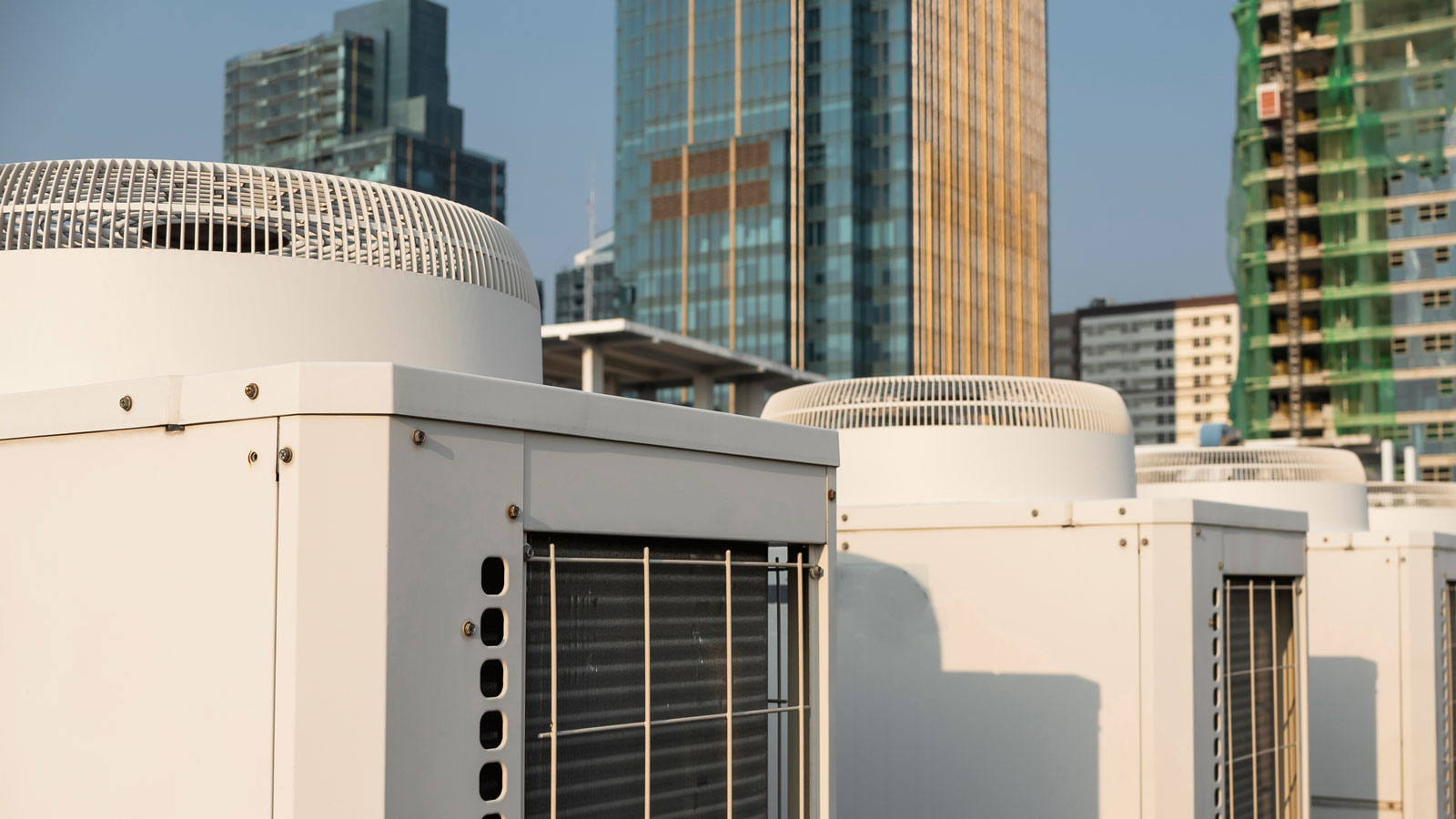
Refrigerants are used in a wide variety of everyday applications, primarily for cooling and temperature control which has become a necessity in daily life across the world. They release gases such as chlorofluorocarbons (CFCs), hydrochlorofluorocarbons (HCFCs), and hydrofluorocarbons (HFCs) with high global warming potentials (GWPs) that far exceed that of carbon dioxide. These gases often leak into the atmosphere during their lifespan or disposal. Once emitted, they contribute significantly to climate change, particularly as short-lived climate pollutants (SLCPs) that exert intense warming over a relatively short timeframe. Despite this, refrigerant emissions have remained one of the least addressed environmental challenges due to their diffuse nature, low visibility, and complex handling requirements.
This workshop aims to introduce the problem of refrigerant emissions, exploring their sources, global climate implications, and the structural difficulties that make mitigation so challenging. While the world has taken steps through international agreements such as the Montreal Protocol and its Kigali Amendment, real-world enforcement and infrastructure—particularly in countries like Indonesia—lag far behind. The informal nature of refrigerant recovery, lack of standardized protocols, and limited financial incentives create a gap between ambition and action.
Recoolit carbon project
The workshop will present Recoolit’s work in building a carbon project that collects and destroys refrigerants, thereby avoiding emissions that would otherwise occur. By placing value on avoided emissions through verified carbon credits, Recoolit not only mobilizes private capital but also creates a scalable solution for a historically under-addressed issue.
An important element of this workshop is highlighting the relevance of SLCPs in the broader climate discussion. As the VCM becomes increasingly focused on carbon removal—often perceived as the most direct and measurable form of climate action—this workshop argues that avoidance projects, particularly those targeting SLCPs like HFCs, remain essential. Because these gases cannot be effectively captured once released into the atmosphere, preventing their emissions in the first place is the only viable mitigation strategy.
Speakers
Alvianni Nur Mahmudah, Consultant, Neyen
Guest speaker: Yosaka E. Putranta, GHG Crediting, Recoolit
Agenda
09.00 – 09.30 Registration and coffee
09.30 – 09.35 Welcoming remarks, Neyen
09.35 – 09.45 Introduction to Refrigerant Emissions, Neyen
Workshop
09.45 – 10.25 Refrigerant Emissions, Climate Impact, and the Role of the VCM, Yosaka E. Putranta, Recoolit
10.25 – 11.05 Q&A
11.05 – 11.20 Closing and photo session
11.20 – 12.00 Networking session
When and where?
8th May, 09:00 – 12:00 WIB
WeWork Revenue Tower – 25th Floor, Meeting Room 25A
Who should attend?
This workshop is designed for the private sector, government officials, NGOs, research institutions/universities and intergovernmental organizations that are committed to advancing sustainability initiatives.